
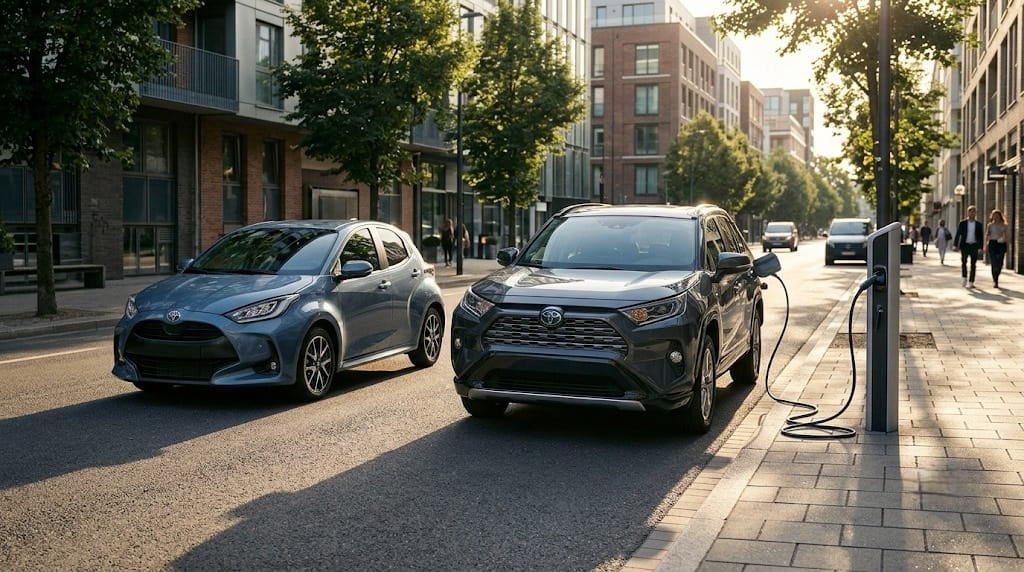
Most of us think Hybrids are best suited for city driving because of stop-and-go traffic. They have constant chances to recover energy. But when we compare a conventional hybrid with a plug-in hybrid (PHEV) it becomes difficult to decide which one is better.
Hybrid and PHEV are energy efficient and can save a lot on fuel costs compared to petrol-only cars. Both differ in battery size, charging needs and price. For city drivers, the key question is whether they can charge their vehicle regularly at home or work.
Quick Summary: HEV vs PHEV

- A conventional hybrid recharges itself and never needs a plug, making it the simplest option for urban commutes.
- A PHEV can run on electricity alone for a limited distance, which may cover many short city trips.
- A PHEV delivers its full benefit only if you charge it regularly; otherwise it behaves like a heavier, costlier hybrid.
- PHEVs typically cost more upfront, and incentives vary by country and change over time.
- Always check the official electric range of any model you are considering, since figures differ widely.
How Each Powertrain Works
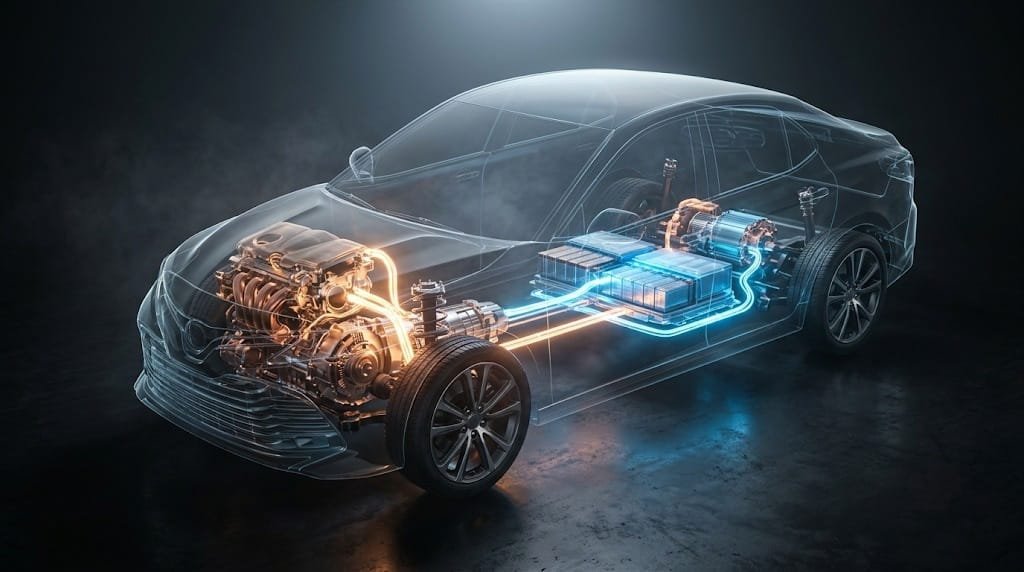
Both types pair a petrol engine with an electric motor and a battery. The main difference is how large the battery is and where its energy comes from.
A conventional hybrid generates all of its own electricity, while a PHEV can also draw it from the grid.
Conventional Hybrid (HEV)
A conventional hybrid uses regenerative braking and the engine to charge a small battery. It cannot be plugged in, so you refuel it like any petrol car.
The small battery usually allows only brief, low-speed electric driving before the engine steps in. Its strength in the city is that it recovers braking energy at every light without any effort from the driver.
Plug-in Hybrid (PHEV)
A PHEV carries a much larger battery that you charge from a household socket or a public charger. Official electric-only ranges vary by model, and many fall somewhere between roughly 20 and 60 miles, so check the figure for the specific car.
Once the battery is depleted, the car generally operates like a conventional hybrid. That fallback means a PHEV can still handle long trips without range anxiety.
Why City Driving Favours Electrified Powertrains

Engines tend to be least efficient at low speeds and in frequent stop-start conditions. Electric motors handle those conditions well, which is why hybrids often post their best efficiency figures in urban driving.
City driving rewards electrification because braking energy can be recaptured and the engine can often switch off when you are stationary or crawling. Short trips also suit the PHEV model, since a single charge may cover a typical day of errands and commuting.
Hybrid vs PHEV in Real City Use
The practical differences show up in three areas: running costs, emissions, and how easily the car fits your routine.
Fuel Use and Running Costs
A PHEV driven mostly on electricity can use very little petrol on city trips. Whether that saves money depends on your electricity tariff compared with local fuel prices.
A PHEV that is charged daily at home can cost less per mile/km than a hybrid, but that saving can shrink if you rely on public charging. A conventional hybrid’s costs are steadier, because its efficiency does not depend on a charging routine.
Emissions and Efficiency
Official figures for PHEVs usually assume frequent charging. Some independent studies have found that real-world fuel use and emissions run higher than official ratings, largely because many owners charge less often than assumed.
A PHEV’s emissions advantage depends on real charging behaviour. A conventional hybrid avoids that uncertainty.
Charging and Convenience
If you live in a flat or park on the street, regular charging may be difficult. In that situation a conventional hybrid usually fits more naturally into daily life.
Without reliable access to a charger, a PHEV’s main advantage largely disappears. Charging from a standard household socket can also be slow for larger batteries, so check charge times for the model you are considering.
Hybrid vs. PHEV Comparison Table
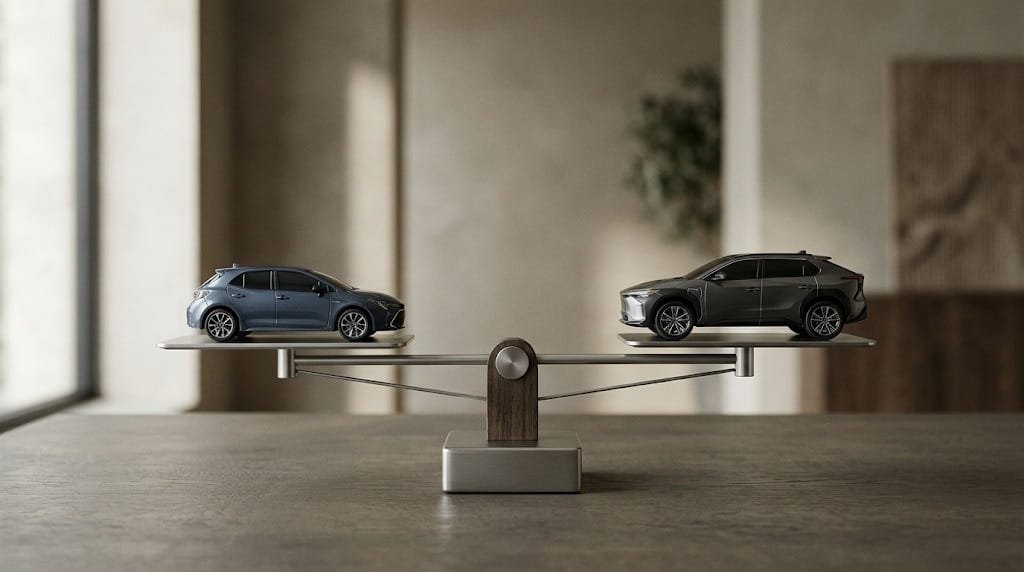
The table below summarizes typical differences, though figures vary by model, market, and driving conditions. Treat these as general patterns rather than guarantees, and verify the specifications of any car you plan to buy.
| Feature | Conventional Hybrid (HEV) | Plug-in Hybrid (PHEV) |
| Needs external charging | No | Yes, to get the full benefit |
| Battery size | Small | Larger |
| Electric-only driving | Brief and low speed, usually automatic | Longer range, varies by model |
| Best suited to | Drivers without easy charging access | Drivers with regular home or workplace charging |
| Upfront price | Generally lower | Generally higher; varies by model |
| Weight and luggage space | Typically lighter | Often heavier; some models lose boot space |
| Dependence on driver habits | Low | High |
| Long-distance trips | Works like a normal petrol-hybrid | Works like a hybrid once the battery is depleted |
| Incentives | Limited in many markets | Vary by country and may change over time |
Upfront Cost, Weight, and Practicality
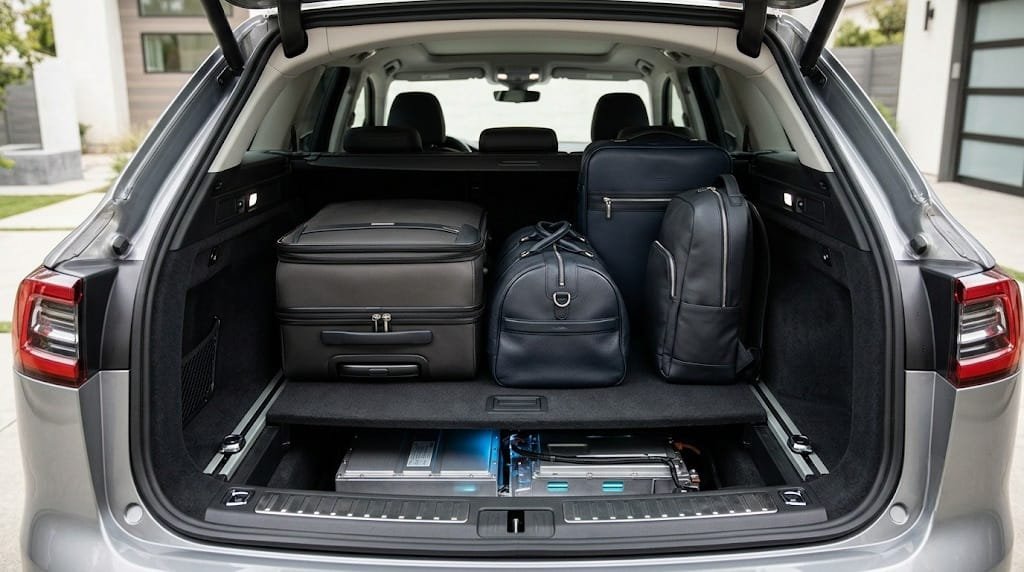
PHEVs generally carry a higher purchase price than comparable hybrids. Government incentives, tax treatment, and company-car rules differ by country and change over time, so confirm current terms locally.
A higher price only pays off if you use the electric range often enough to offset it. The larger battery also adds weight and, in some models, reduces luggage space.
Which Should You Choose?

The right answer depends on your parking situation, daily distance, and willingness to plug in. Match the car to your routine rather than to the most impressive spec sheet.
A Conventional Hybrid Suits You If
You cannot charge easily at home or work, or you want a car that requires no change in habits. It also fits drivers whose daily mileage varies widely.
A conventional hybrid is the low-effort choice for urban driving.
A PHEV Suits You If
You have a reliable charger, and your daily trips fit within the electric range. You also want the flexibility of petrol for occasional long journeys.
A PHEV is the stronger choice for city drivers who can charge daily and keep most trips electric. Test-drive both and compare owner-reported consumption figures alongside the official numbers.
Frequently Asked Questions

These are the questions city drivers ask most often. The short answers below assume typical conditions, so check model-specific details before deciding.
Is a PHEV worth it if I only drive in the city?
It can be, particularly when your daily distance sits within the electric range and you charge overnight. If you charge rarely, a conventional hybrid is likely the better value.
Can a PHEV run without being plugged in?
Yes, it will operate as a hybrid using petrol once the battery is depleted. Running it that way is possible but forfeits most of the benefit of the larger battery, and the extra weight may raise fuel use compared with a conventional hybrid.
Do conventional hybrids ever run on electricity alone?
Yes, but typically only for short distances at low speeds. Most conventional hybrids manage this automatically, so you have limited control over when the engine runs.
Which One Deserves a Spot in Your Garage?

Neither option is better for everyone. For city driving, a PHEV usually wins if you charge consistently, and a conventional hybrid wins if you do not.
Before buying, estimate your daily mileage and charging access. Then compare official electric range, price, and local incentives for the specific models on your shortlist.
Also Check: Touchscreen vs Physical Buttons in Cars: Which is Safer?