
Leasing or buying a new car is one of the biggest financial decisions that all of us have to make at some point in our lives, and the right answer depends on how long you are going to keep the car, how much you drive and how much money you can save in either scenario. There is no universally better option that fits your finances and habits.
In this article, I have compared the true costs of ownership, risks and the trade-offs for both. You can use it to decide before you make a final decision.
Key Takeaways

- Leasing usually means lower monthly payments but there will be no ownership.
- Buying would cost more per month but you will own the asset once the loan is paid off.
- Mileage limits, wear charges, and early termination fees are the main lease risks.
- Depreciation, repairs after warranty and interest are the main buying risks.
- Run the numbers over the full time you would realistically keep the car.
How Car Leasing Works

When you lease, you pay to use a car for a set term, commonly 24 to 48 months. Your payments mainly cover the vehicle’s expected depreciation during the lease, plus a finance charge and fees.
At the end, you return the car, buy it for the residual value written in your contract, or trade it in. Most leases include a mileage cap and charge for excess wear.
Key Lease Terms: Capitalized Cost, Residual Value & Money Factor

The capitalized cost is the negotiated price of the car, and the residual value is its projected worth at lease end. A higher residual value and a lower capitalized cost both reduce your monthly payment.
The money factor is the lease’s interest rate expressed as a small decimal. Multiplying it by 2,400 gives an approximate annual percentage rate.
How Buying a Car Works (Loans vs. Cash)

When you buy with a loan, each payment covers principal and interest until the balance reaches zero. Once the loan is paid off, you own the car outright and can keep driving it without a payment.
You can also pay cash, which avoids interest but ties up money that might earn a return elsewhere. Either way, you take on the risk that the car loses value faster than expected.
Auto Loan Terms and Preapproval Basics

Loan terms often run from 36 to 84 months, and longer terms lower the payment but raise total interest. Choosing the shortest term you can comfortably afford is one of the simplest ways to cut the cost of buying.
Rates vary with your credit profile, the lender, and market conditions. Getting preapproved from a bank or credit union gives you a benchmark to compare against dealer financing.
Lease vs. Buy Side-by-Side Comparison
| Factor | Leasing | Buying (Loan or Cash) |
| Monthly payment | Often lower, since you pay for part of the car’s value | Often higher, since you pay toward its full price |
| Upfront costs | Typically a down payment or first payment, fees, and taxes (varies by state and contract) | Down payment, taxes, and registration (varies by state) |
| Ownership | None unless you buy out the lease | Full ownership after the loan is repaid |
| Mileage | Annual limit, with per-mile fees if exceeded | No limit |
| Customization | Usually restricted | Unrestricted |
| Repairs | Often covered by the warranty during the term | Your responsibility once the warranty expires |
| Long-term cost | Payments continue each time you lease a new car | Payments end, leaving lower costs in later years |
| Exit flexibility | Early termination can be costly | Can sell or trade in anytime, though you may owe more than the car is worth |
Specific figures depend on the vehicle, your credit, and the contract, so compare real quotes rather than relying on averages.
When Leasing Makes Financial Sense

Leasing can make sense if you want a lower monthly payment and like driving a newer car every few years. Because you stay within the factory warranty, unexpected repair bills are usually limited.
Some drivers also like that they avoid the hassle of selling a used car. Business owners may be able to deduct part of lease costs, so ask a tax professional about your situation.
Hidden Lease Costs and Early Termination Risks
Fees can add up, including acquisition fees, disposition fees, and charges for excess mileage or wear. Reading the full contract for these charges before signing prevents the most common lease surprises.
Ending a lease early is often expensive, and in some cases you may owe most of the remaining payments. Gap coverage is usually required, and it is sometimes built into the lease.
When Buying Makes Financial Sense
Buying tends to cost less over the long run if you keep the car for many years. The longer you drive a car after the loan ends, the better its overall value becomes.
You also gain freedom to drive as much as you want and modify the car. The car can serve as a trade-in or sale asset later, though its value is never guaranteed.
Hidden Costs of Buying: Depreciation, Negative Equity & Repairs
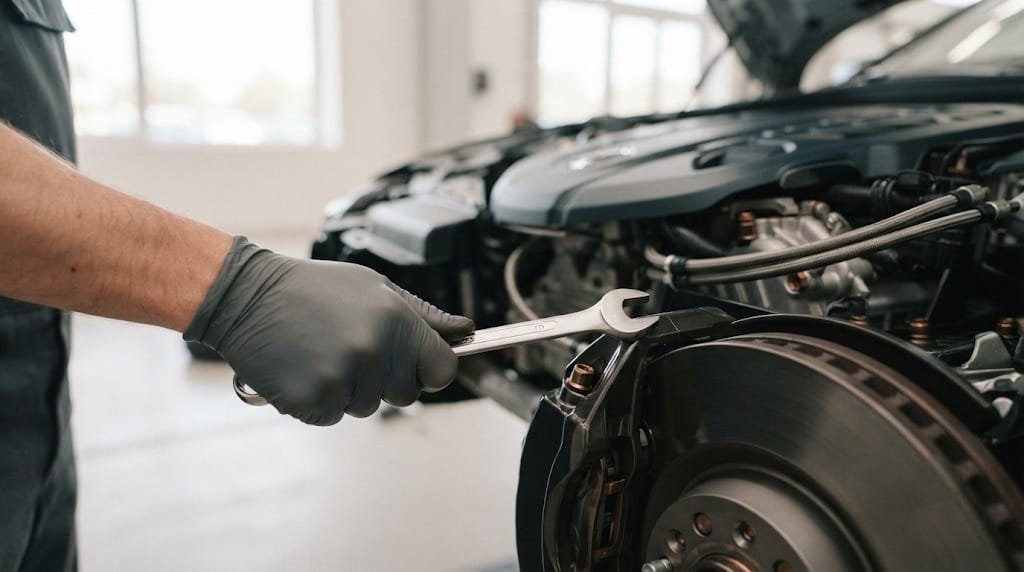
Depreciation is steepest early in a car’s life, so a new car loses value quickly in the first years. Negative equity, owing more than the car is worth, is the main danger of long loans with small down payments.
Out-of-warranty repairs, insurance, and maintenance also fall on you. Budget for them before assuming that ownership is cheaper.
How to Choose Between Leasing and Buying
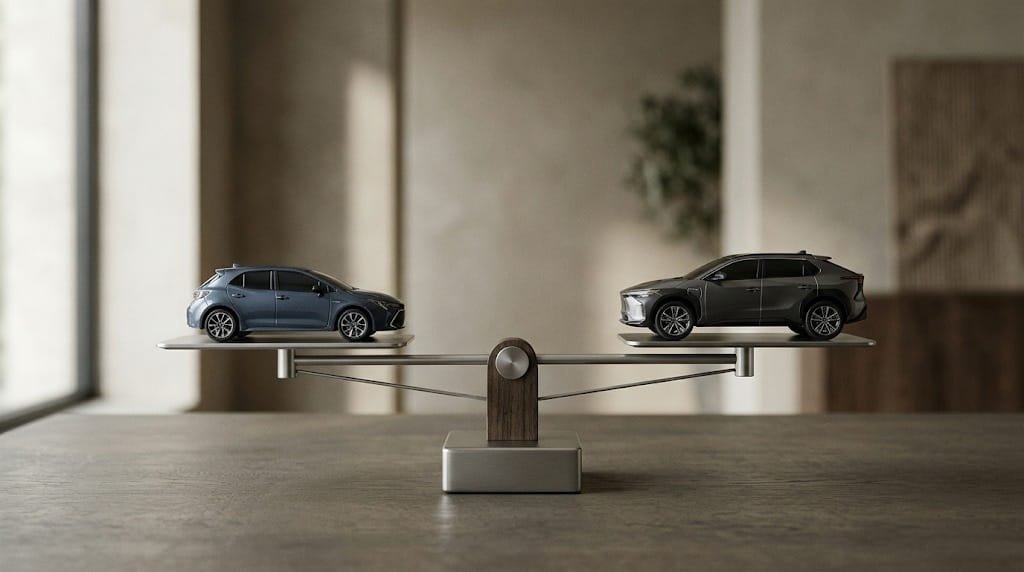
Your driving habits and plans matter more than any general rule. If you drive a lot or keep cars for a decade, buying usually fits better, while low mileage and a preference for new models point toward leasing.
Consider these questions:
- How many miles do you drive each year?
- How long do you typically keep a car?
- Would you rather have a lower payment or eventual ownership?
- Can you absorb a repair bill after the warranty ends?
How to Compare Total Costs Over Time

Monthly payment alone is misleading, so compare the total outlay over the same period. For a fair comparison, add up all payments, fees, and the cost of the next car or the car’s resale value over an identical timeframe.
For example, compare a three-year lease with the net cost of owning for three years, which equals total payments minus the car’s resale value. Then add the cost of what happens next, such as starting another lease or driving a paid-off car.
Checklist Before Signing a Lease or Loan

Negotiate the car’s price whether you lease or buy, since price drives both payments. Asking for the money factor, residual value, and every fee in writing lets you compare offers accurately.
Check manufacturer incentives, which sometimes favour leasing or financing on particular models. Get insurance quotes first, because coverage costs can differ by vehicle and may be higher on leased cars.
Leasing rewards predictability and low mileage, while buying rewards patience and long-term ownership. The best choice is the one you can afford comfortably and that matches how you actually drive.
Gather quotes for both options on the same car, compare total costs over your expected timeline, and read every contract line. Doing so will show which route saves you more.
Also check: 7 Legal Ways to Lower Your Auto Insurance Premium