
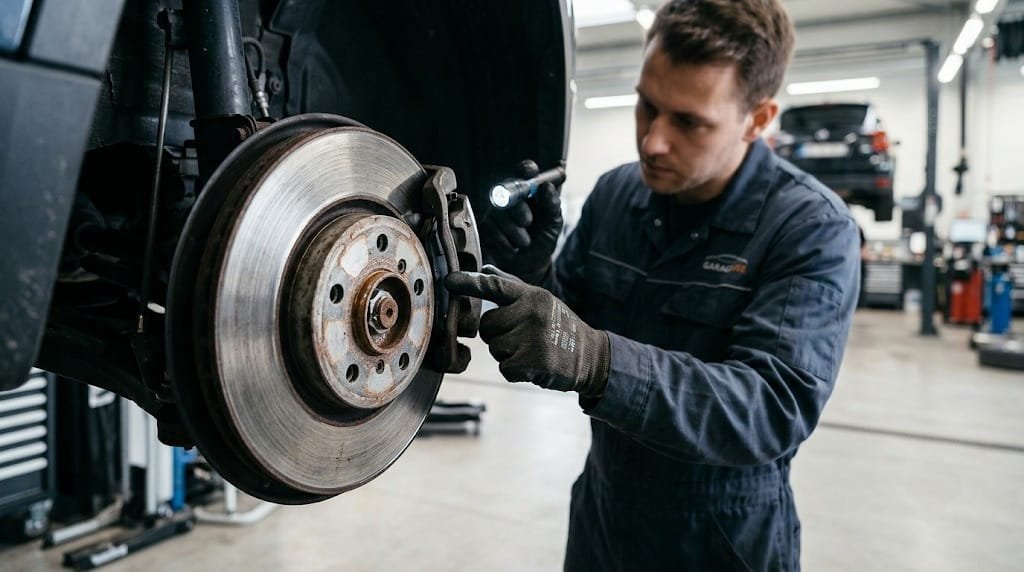
Recently, when I went for my routine car service, I came across multiple customers with a similar problem: their car brake pads were wearing down too quickly. Generally, brake pads wear down over time but what if they are wearing too quickly? It can be related to driving patterns and road conditions but if we ignore them for too long then what can be a routine repair may turn into a safety risk and an expensive bill.
What if we know the warning signs that can help us act before something goes wrong? In this guide, I will cover the signs that indicate when your brake pads need immediate replacement and how we can check them ourselves.
TL;DR
- Squealing: the wear indicator is touching the rotor, usually at 2 to 3 mm of pad left. Book an inspection this week.
- Grinding: the pad is gone and metal is scraping the rotor. Stop driving and replace the pads now.
- Soft pedal or longer stops: thin pads, low brake fluid, or air in the lines.
- Vibration or pulling: uneven pad wear, a warped rotor, or a stuck calliper.
- Under 3 mm of pad, or a warning light: replace immediately.
- Rule of thumb: pads last about 40,000 to 110,000 km, so check them every 10,000 km.
Why Brake Pad Condition Matters
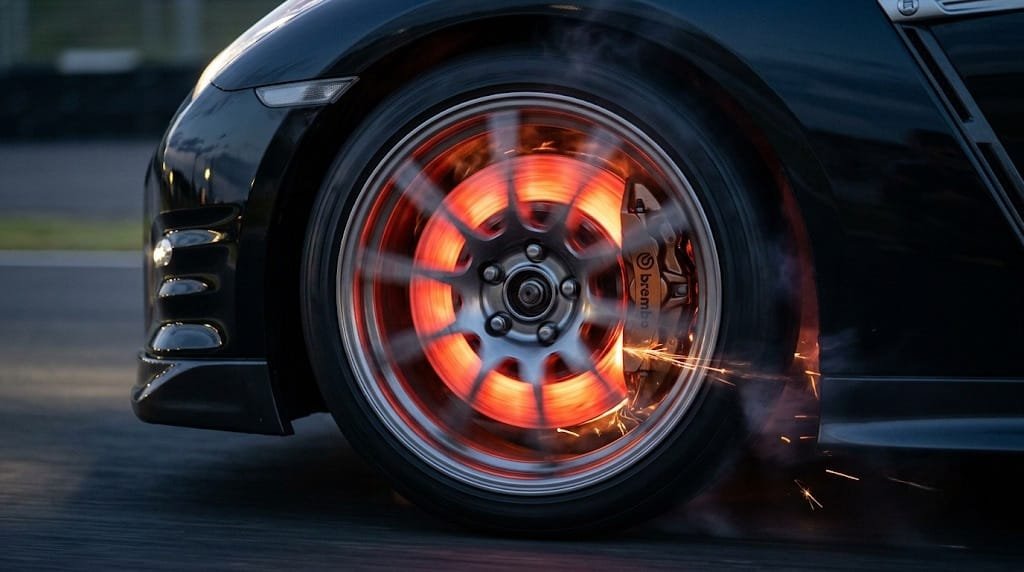
Brake pads create the friction that slows your wheels. Each time you press the pedal, the pads clamp against the rotors and convert motion into heat.
Over thousands of miles, that friction wears the pad material thin. Once it is gone, metal meets metal, and your stopping power drops fast.
New pads start with roughly 10 to 12 mm of friction material. Most mechanics recommend replacement once that drops to about 3 mm.
Signs When Your Brake Pads Need Immediate Replacement
1. A High-Pitched Squealing Noise
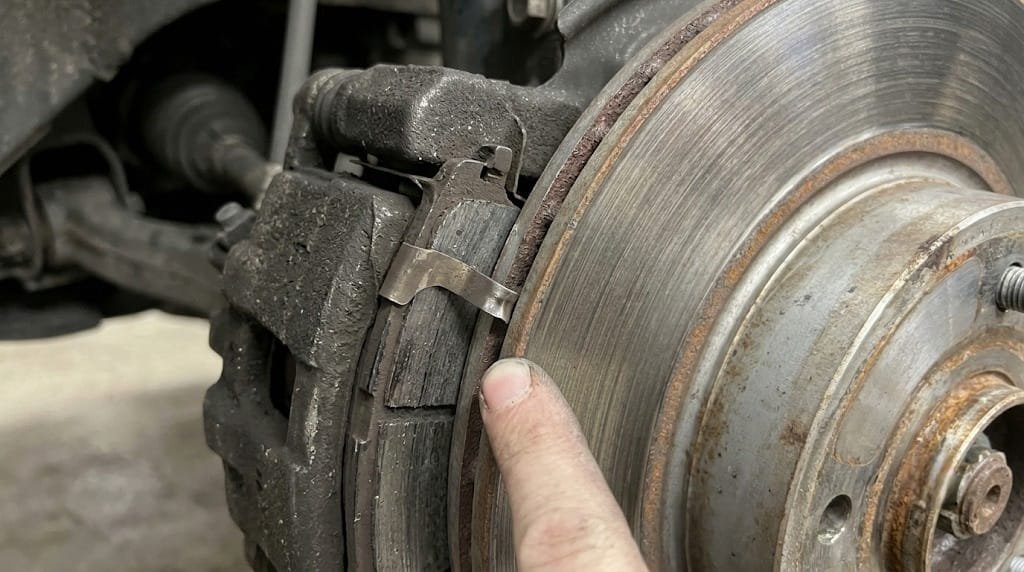
The most common early warning is a sharp squeal when you brake. Most pads include a small metal tab, called a wear indicator, that scrapes the rotor once the pad gets thin.
This sound is designed to get your attention. If you hear it regularly, book a brake inspection this week.
Wear indicators usually start to squeal at about 2 to 3 mm of remaining pad. That leaves little margin, often only a few thousand kilometres.
2. A Deep Grinding or Growling Sound
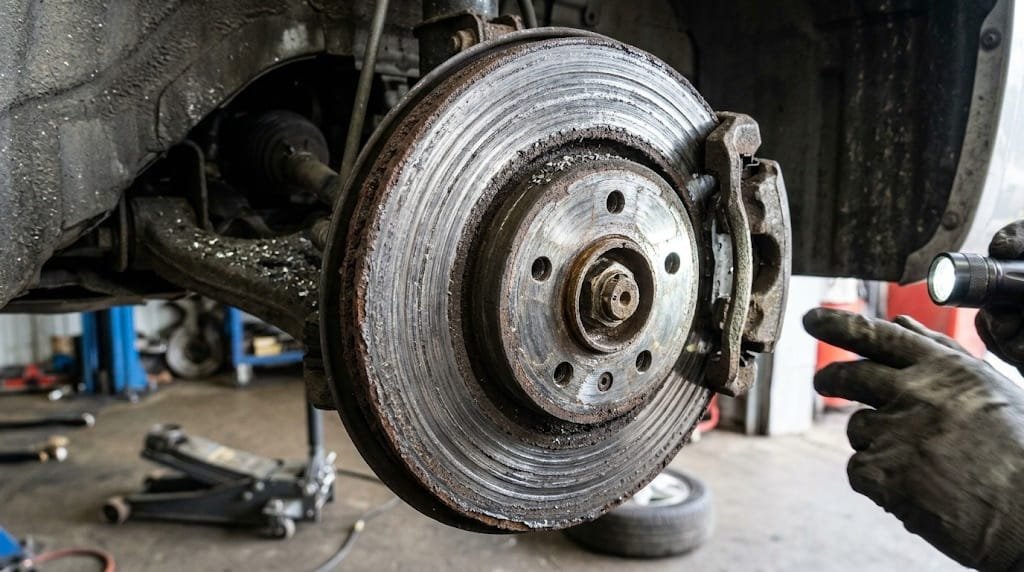
Grinding means the pad material is completely worn away. The metal backing plate is now scraping directly against the rotor.
This stage causes rapid damage. Stop driving as soon as it is safe, because every extra mile can ruin the rotors and raise your repair cost.
Each rotor has a minimum thickness value stamped on its edge, and grinding can push it below that limit. Once that happens, the rotor must be replaced.
3. Longer Stopping Distances or a Soft Brake Pedal
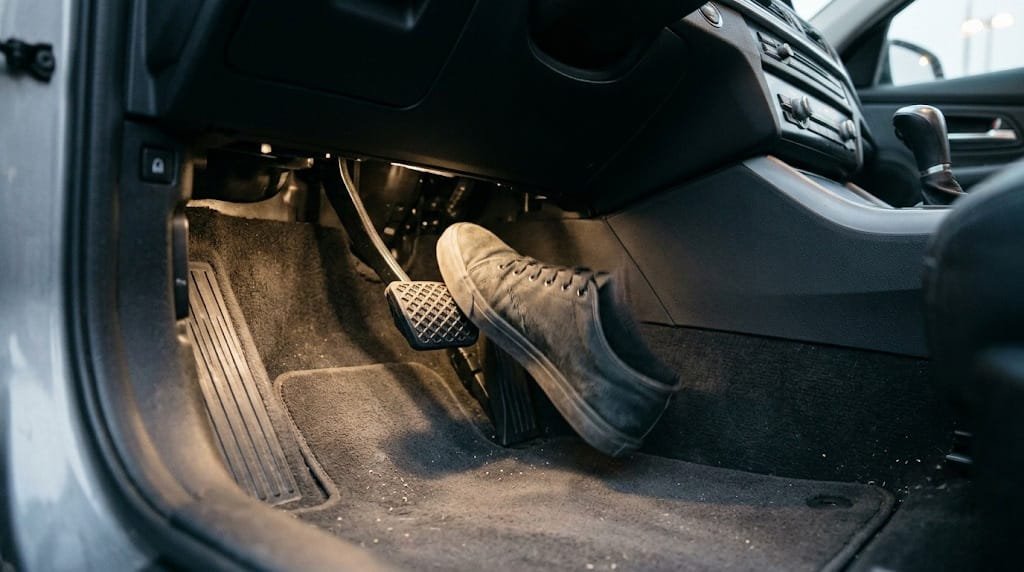
If your car takes noticeably longer to stop, the pads are likely too thin to grip well. You may also feel the pedal sink closer to the floor than it used to.
A soft pedal can also point to air in the brake lines or low brake fluid. Either way, treat it as urgent and have a mechanic check the whole system.
Brake fluid absorbs moisture over time, so many carmakers recommend replacing it every 2 to 3 years. Check the reservoir under the bonnet and make sure the level sits above the MIN mark.
4. Vibration or Pulling When You Brake
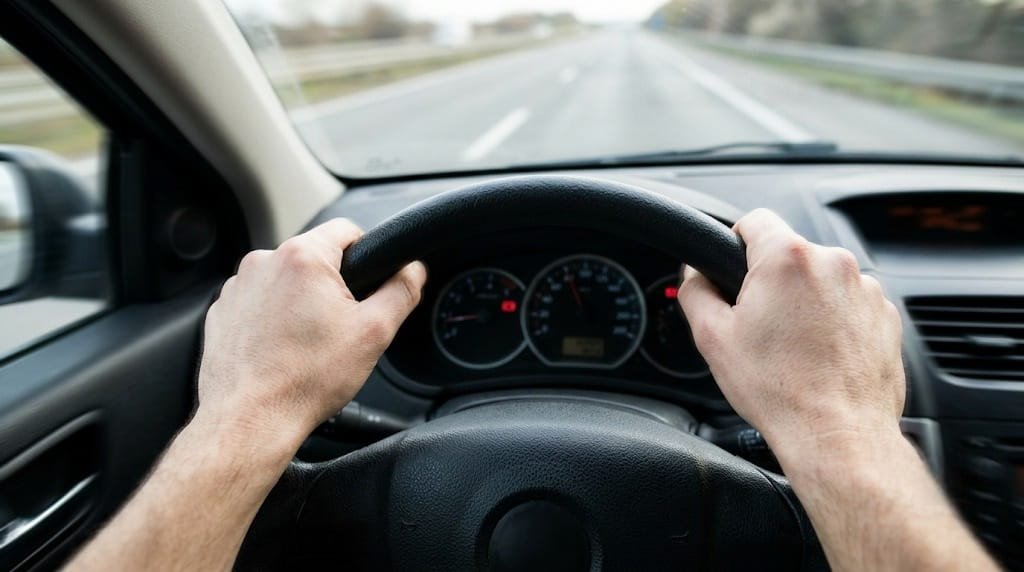
A shaking steering wheel or pulsing pedal often signals uneven pad wear or warped rotors. Worn pads overheat more easily, which can distort the rotor surface.
If the car pulls to one side, one pad may be wearing faster than the other. A stuck caliper is a common cause and needs prompt attention.
Vibration that appears mostly above 60 km/h, especially after a long downhill stretch, often points to a warped rotor.
5. Thin Pads or a Brake Warning Light
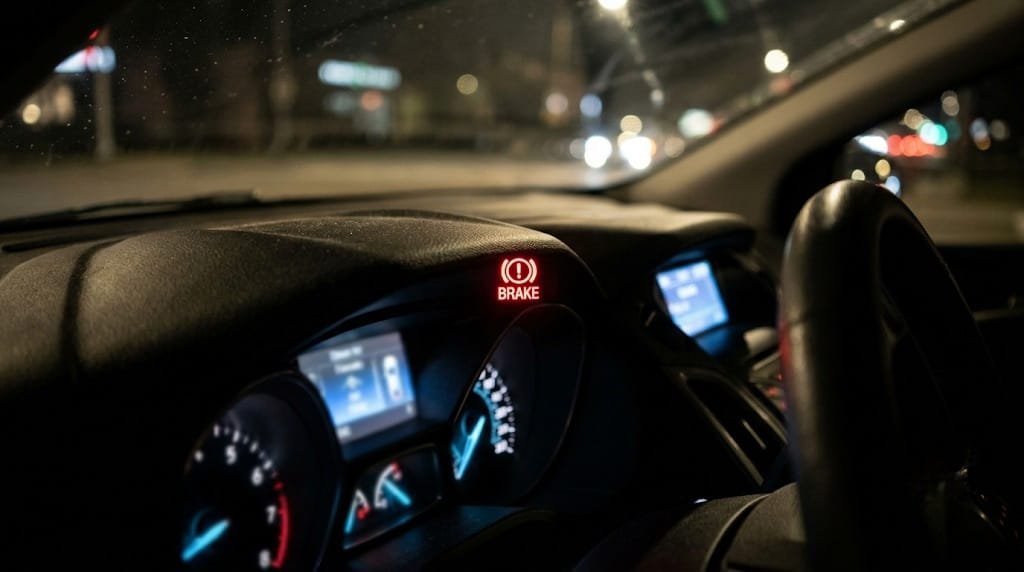
Look through the gaps in your wheel spokes. If the pad is thinner than about 3 mm (roughly 1/8 inch), replacement is overdue.
Many newer cars also have electronic wear sensors that trigger a dashboard warning light. Do not wait for the light to appear a second time.
Front pads handle roughly 70% of braking force, so they wear faster than the rear pads. That is why sensors are most common on the front axle.
Good vs. Bad Brake Pads: Quick Comparison
Use this table to judge your pads at a glance.
| Feature | Good Condition Brake Pads | Bad Condition Brake Pads |
| Pad thickness | 6 mm or more | Under 3 mm |
| Sound when braking | Quiet and smooth | Squealing, grinding, or growling |
| Pedal feel | Firm and responsive | Soft, spongy, or sinking |
| Stopping distance | Normal for your vehicle | Noticeably longer |
| Steering behavior | Straight and steady | Pulling or vibration |
| Pad surface | Even wear across the pad | Uneven, cracked, or glazed |
| Rotor condition | Smooth surface | Grooved, scored, or warped |
| Dashboard light | Off | Brake warning light on |
How to Check Your Brake Pads at Home
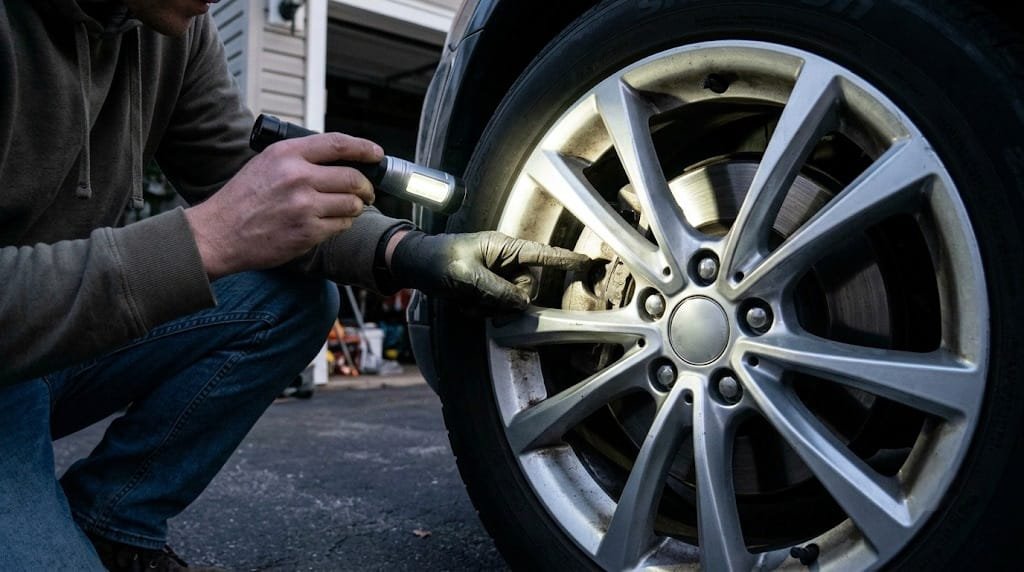
You can do a basic inspection in a few minutes. You only need a flashlight and a safe, level parking spot.
Step-by-Step Visual Check
Start by turning the steering wheel to expose the front wheel. Shine a flashlight through the spokes and look at the pad pressed against the rotor.
Measure the friction material, not the metal plate behind it. If you cannot see it clearly, a mechanic can remove the wheel and measure it exactly.
Check all four wheels if you can, since front pads usually wear faster than rear ones. Look at both the inner and outer pads on each wheel.
When to Skip the DIY Check
Some wheels have closed designs that hide the pads. Others make the inspection difficult or unsafe without a jack and stands.
If you feel unsure, a professional inspection is quick and often free or low cost.
How Often Should Brake Pads Be Replaced?
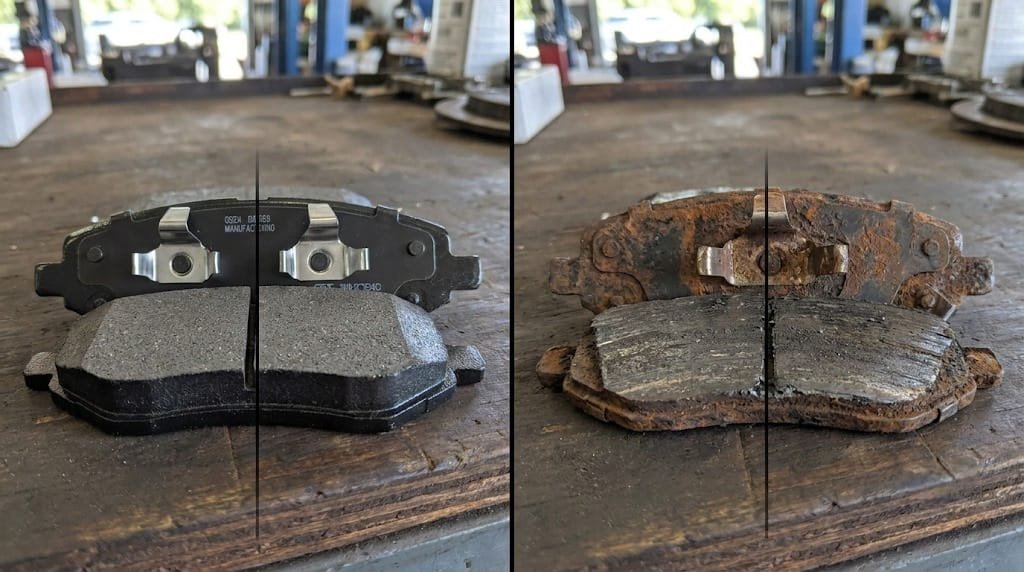
Most pads last between 25,000 and 70,000 miles (about 40,000 to 110,000 km). That range is wide because many factors affect wear.
City driving with frequent stops wears pads faster than steady highway miles. Heavy loads, steep hills, and an aggressive driving style also shorten their life.
Pad material matters too. Ceramic pads tend to last longer and run quieter, while semi-metallic pads handle heat well but wear rotors faster.
As a rule of thumb, inspect your pads every 10,000 km or at each service. In dense stop-and-go traffic, expect replacement near the lower end of that range.
The Real Cost of Waiting
Replacing pads early is one of the cheapest repairs you can make. Pads alone often cost far less than a full brake job.
If you wait too long, you may need new rotors and calipers as well. Worse, worn brakes raise your risk of an accident, especially in wet weather or heavy traffic.
A pads-plus-rotors job often costs two to three times as much as pads alone. A seized caliper adds more on top.
What to Do If You Notice These Signs
Act quickly, and follow these steps:
- Reduce your speed and increase your following distance to at least three seconds.
- Avoid long trips or heavy loads until you check the brakes.
- Book an inspection with a trusted mechanic.
- Ask for pad thickness measurements and a rotor check.
- Replace pads in pairs, either both front or both rear, to keep braking balanced.
Frequently Asked Questions
Can I drive with worn brake pads?
You can for a very short distance, but it is not safe. Reduced stopping power puts you and others at risk.
Why do my brakes squeal after rain?
Light surface rust can form on rotors overnight and cause brief noise. If the sound lasts beyond the first five stops, have the pads checked.
How much does a brake pad replacement cost?
Costs vary by vehicle and pad type. Many drivers pay roughly ₹1,500 to ₹4,000 per axle for standard hatchback pads, with labor extra.
Final Thoughts
Your brakes give plenty of warning before they fail. Squealing, grinding, a soft pedal, vibration, and thin pads are all signals to act.
A quick inspection today can save you money and keep you safe. If any of these signs sound familiar, schedule a brake check right away.
Also check: AWD vs 4×4: A Simple Guide to How They Work