
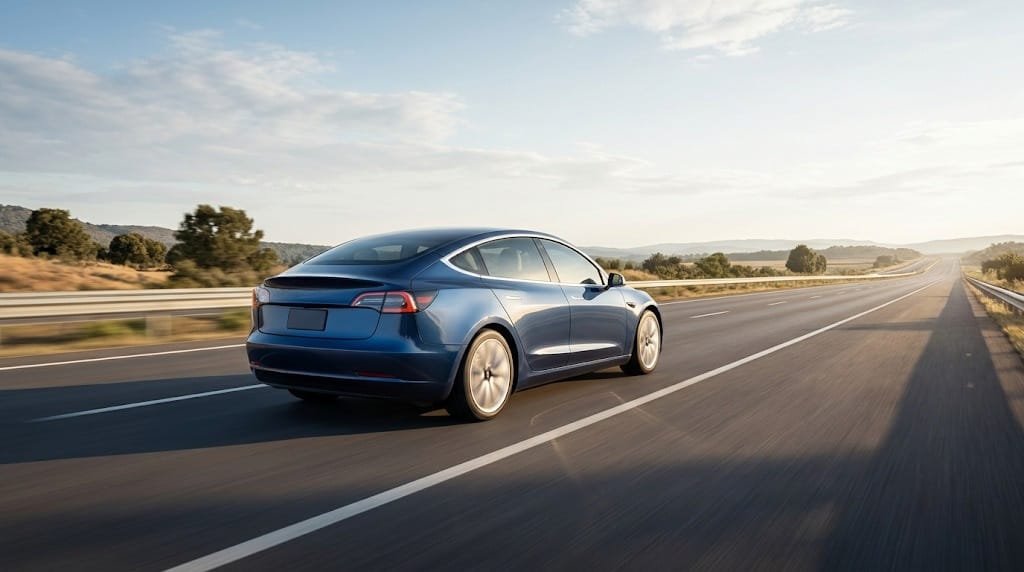
How you drive your car can make a huge difference in how much you spend on fuel over time. With the same car on the same road, different drivers achieve different fuel efficiencies. Small and consistent habits of driving can definitely improve your fuel economy.
This guide will provide you with 10 practical Fuel saving driving habits to achieve better fuel efficiency or miles per gallon. From correct tire pressures to smoother acceleration.
Quick Summary: How to Save Fuel
- Smooth acceleration, early braking, and looking ahead reduce wasted energy.
- Aggressive driving is one of the biggest avoidable fuel drains.
- Moderate your highway speed and use cruise control on flat roads.
- Avoid long idling and remove unneeded weight and roof racks.
- Keep tires inflated to the pressure on your vehicle’s door-jamb label.
- Combine errands to reduce cold starts and congestion.
10 Habits to Cut Your Fuel Cost
These habits fall into two groups: how you drive and how you prepare your vehicle. You do not need to adopt all ten at once because each one helps on its own.
1. Accelerate Gently
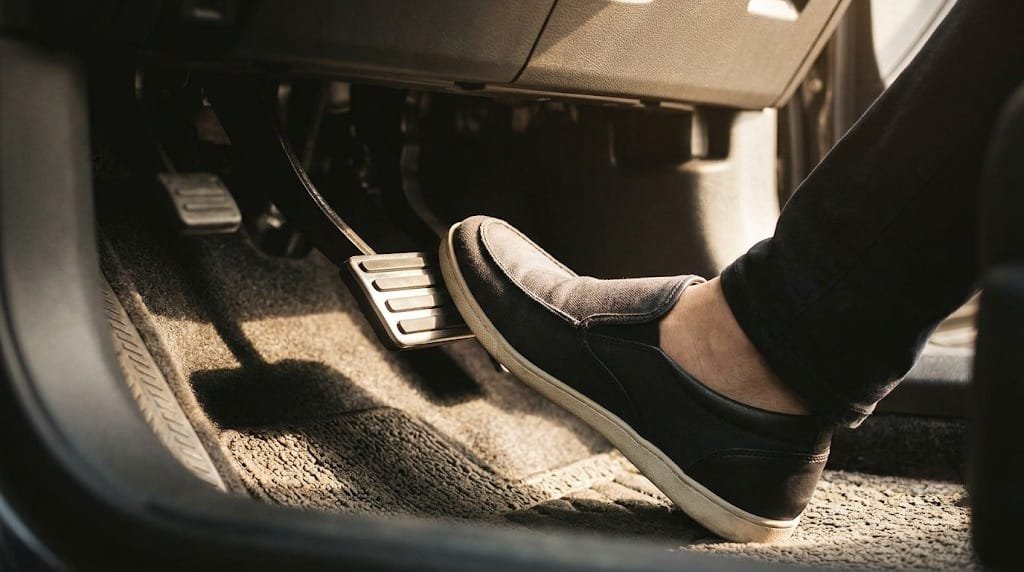
Hard acceleration makes the engine work harder to gain speed quickly. Pressing the pedal progressively instead of flooring it is one of the simplest ways to cut fuel use.
Aim to reach cruising speed at a steady pace, especially in town. Results vary by engine and transmission, but most vehicles reward a lighter foot.
2. Look Ahead and Coast
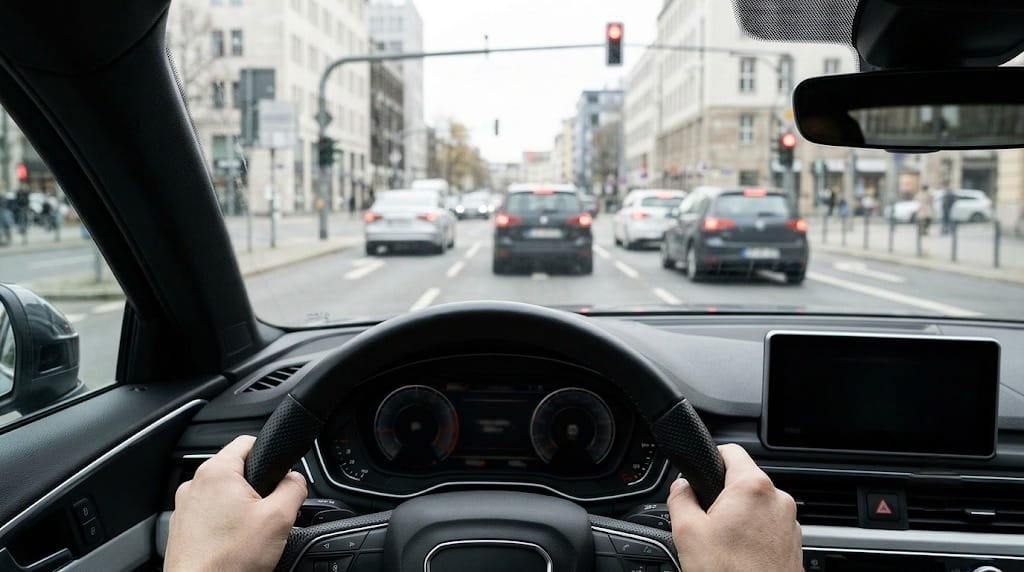
If you scan the road well ahead, it will let you ease off the accelerator early instead of braking late. Coasting toward a red light or slower traffic uses less fuel than racing up to it and stopping hard.
Simply lifting your foot is enough, and shifting to neutral is unnecessary and can be unsafe. A safe following distance also gives you room to adjust speed gradually.
3. Brake Smoothly
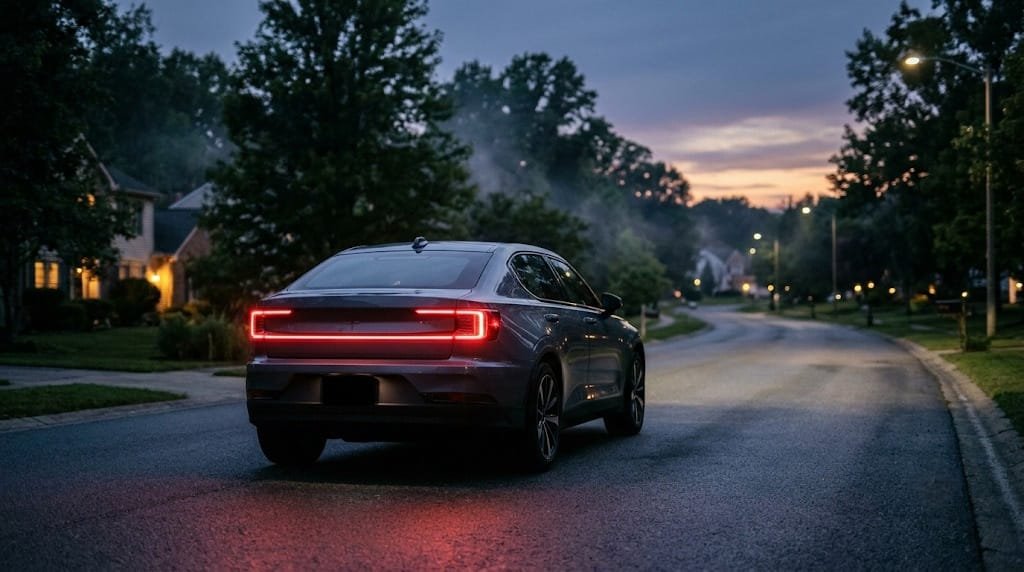
Hard braking throws away the momentum your engine just paid for. Lifting off the accelerator early and braking gradually preserves that momentum and reduces the energy you lose.
Hybrids and electric vehicles recover some of this energy through regenerative braking, which works best with gentle, gradual deceleration.
4. Moderate Your Highway Speed
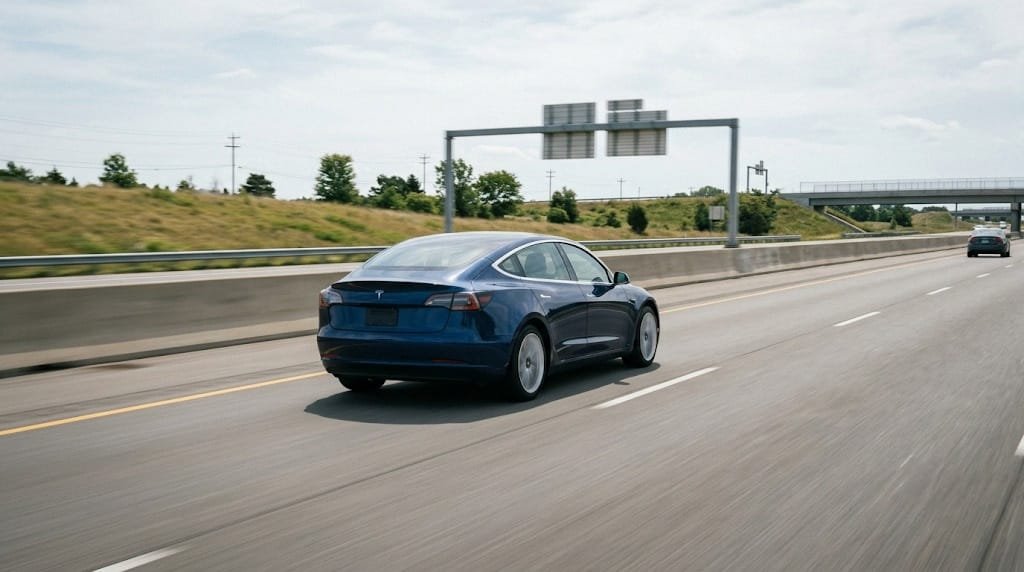
According to the U.S. Department of Energy’s fueleconomy.gov fuel economy typically drops as speeds climb above roughly 50 mph or 80 kmph. Driving a little slower on highways, where it is safe and legal, generally saves fuel because air resistance rises quickly with speed.
The most efficient speed differs from vehicle to vehicle, so treat this as a general guide.
5. Use Cruise Control Wisely
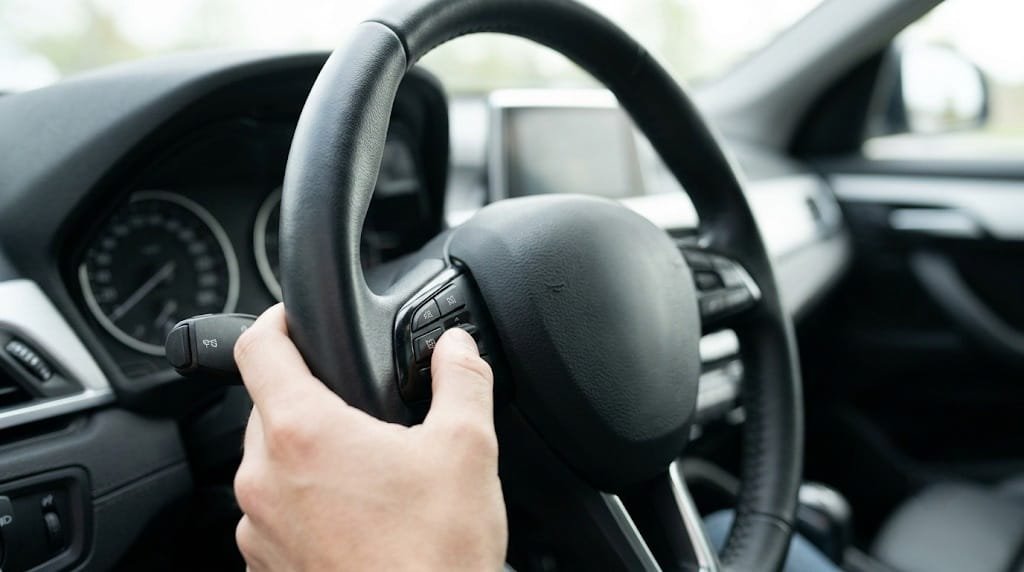
On flat, open highways, cruise control holds a steady speed and prevents small, unconscious speed changes. It works best on level roads and can be less efficient on steep hills, where it may accelerate hard to hold its set speed.
In heavy traffic or hilly terrain, manual control usually gives you more flexibility.
6. Avoid Unnecessary Idling
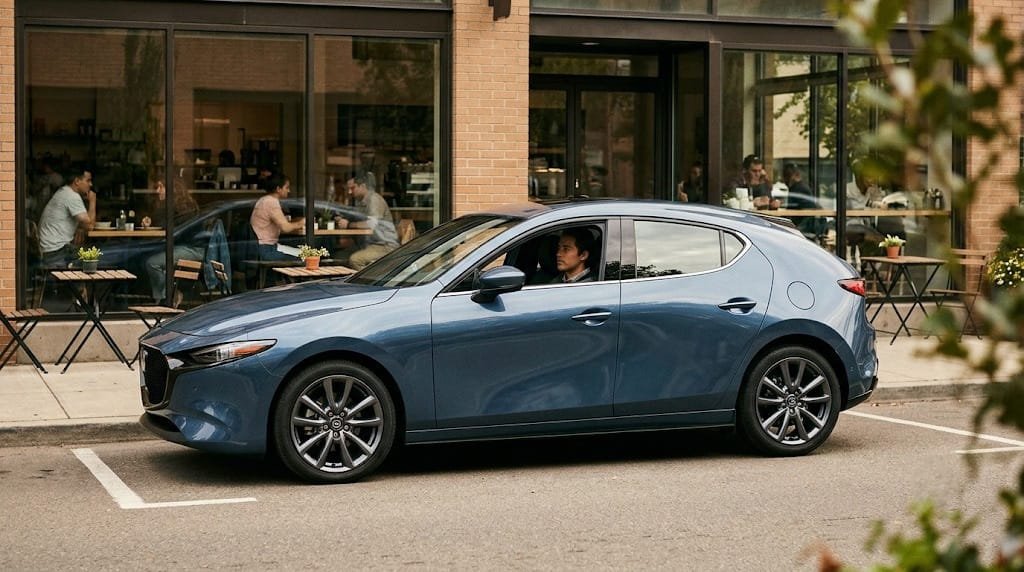
An idling engine gets zero miles per gallon. The Department of Energy notes that idling for more than about 10 seconds generally uses more fuel than turning the engine off and restarting it.
Switch off the engine during long waits where it is safe and permitted. Many modern vehicles do this automatically with start-stop systems.
7. Keep Tires Properly Inflated
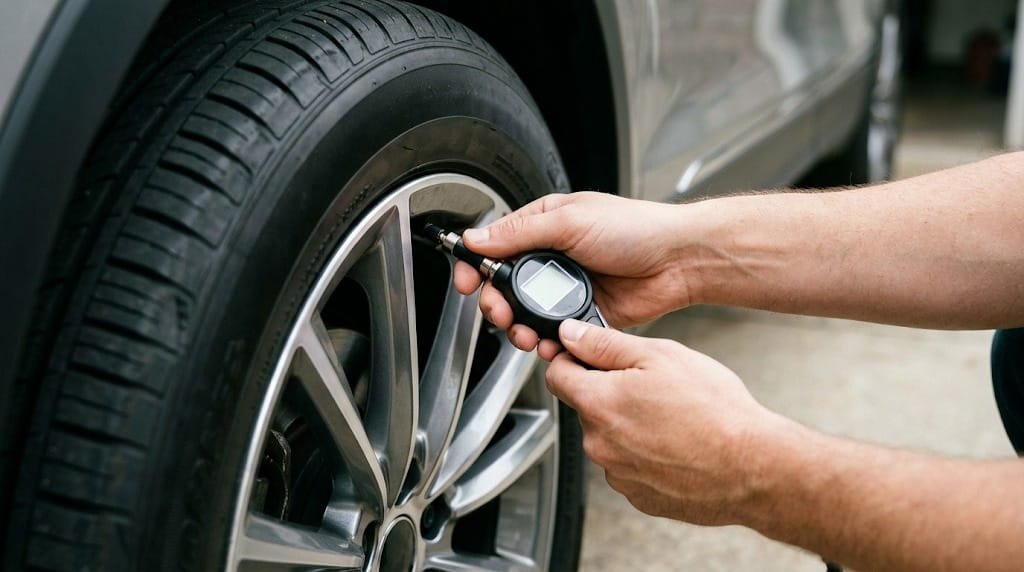
Under-inflated tires increase rolling resistance, so the engine has to work harder to move the car. Check your tire pressure monthly against the figure on the door-jamb label, not the maximum number printed on the tire sidewall.
Fueleconomy.gov estimates that mileage falls by about 0.2% for each 1 psi drop in the average pressure of all tires. Check pressure when the tires are cold for the most accurate reading.
8. Remove Extra Weight and Roof Racks
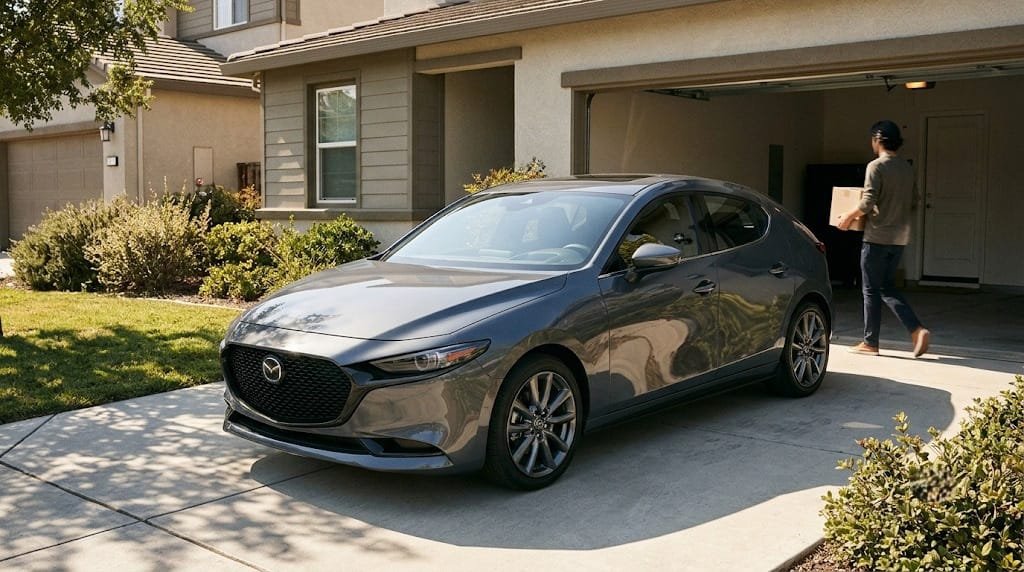
Heavier vehicles need more energy to move, and external cargo adds aerodynamic drag. Clearing out unneeded items and removing empty roof racks can help, especially at highway speeds.
The Department of Energy says an extra 100 pounds can reduce fuel economy by about 1%, with a larger effect on smaller vehicles.
9. Use Air Conditioning Sensibly
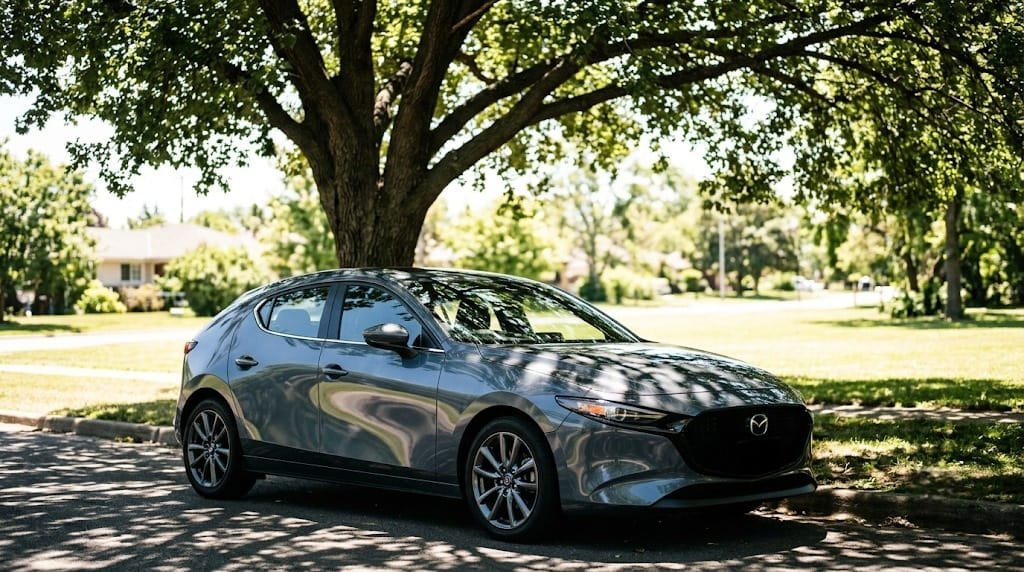
In conventional vehicles, air conditioning draws power from the engine, so heavy use can reduce mileage, particularly in hot weather and city driving. At low speeds, opening the windows may be more efficient, while at highway speeds the A/C is often the better choice because open windows add drag.
Parking in the shade and letting hot air escape before cooling the cabin can also reduce the load.
10. Plan Trips and Combine Errands
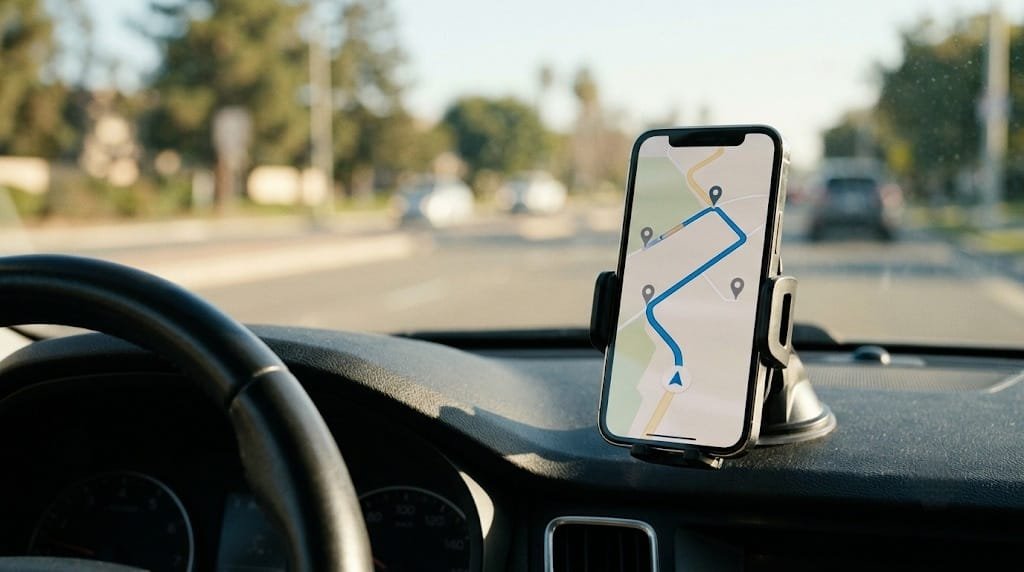
A warm engine runs more efficiently than a cold one, so several short trips from a cold start generally use more fuel than one combined trip. Linking errands into a single loop reduces both cold starts and total distance.
Navigation apps with live traffic data can also help you avoid stop-and-go congestion.
Quick Comparison: Which Habit Fits You Best?

The table below compares each habit by effort, cost, and typical benefit. Start with the low-effort, no-cost habits, since you can adopt them on your very next drive.
| Habit | Effort | Cost | Typical benefit | Best for |
| Gentle acceleration | Low | Free | Moderate to large | City and suburban driving |
| Looking ahead and coasting | Low to medium | Free | Moderate | Traffic with frequent stops |
| Smooth braking | Low | Free | Small to moderate | Everyday driving; hybrids and EVs |
| Moderate highway speed | Low | Free | Moderate to large | Long highway trips |
| Cruise control | Low | Free | Small to moderate | Flat, open highways |
| Avoiding idling | Low | Free | Small to moderate | Waiting, pickups, drive-throughs |
| Correct tire pressure | Low | Free to low | Small but steady | All drivers |
| Removing weight and roof racks | Low to medium | Free | Small to moderate | Highway drivers; small vehicles |
| Sensible A/C use | Low | Free | Varies by climate | Hot regions, city commuting |
| Combining trips | Medium | Free | Varies by routine | Errand-heavy weeks |
Benefit ratings are general comparisons rather than guarantees, and actual savings depend on your vehicle, route, and driving conditions.
Do Fuel-Saving Habits Really Make a Difference?
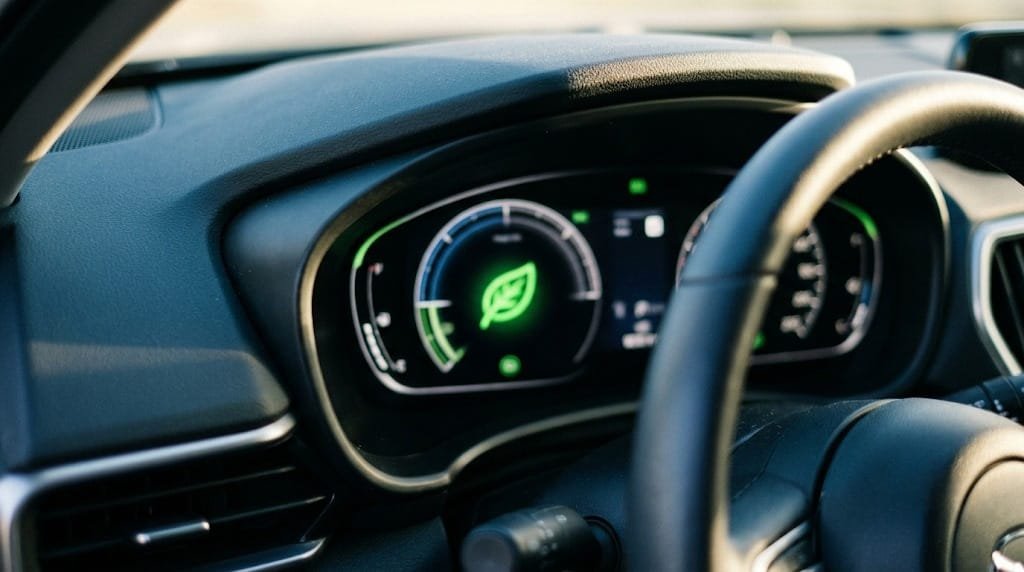
Fueleconomy.gov states that aggressive driving, such as speeding and rapid acceleration and braking, can lower gas mileage by roughly 15% to 30% at highway speeds and 10% to 40% in stop-and-go traffic. Because the potential loss is that large, smoother driving is usually the biggest opportunity for most drivers.
Combining several habits tends to deliver the most reliable improvement over time.
Conclusion
Better fuel economy does not require a new car, just a few adjustments to how you drive and maintain your vehicle. Begin with smooth acceleration, steady speeds, and correct tire pressure, then add the other habits as they fit your routine.
Track your mileage over a few weeks to see what works for your vehicle and roads.
I hope these Fuel saving driving habits will help you cut down your fuel costs.
Also check: Know the Signs: When to Replace Your Brake Pads