
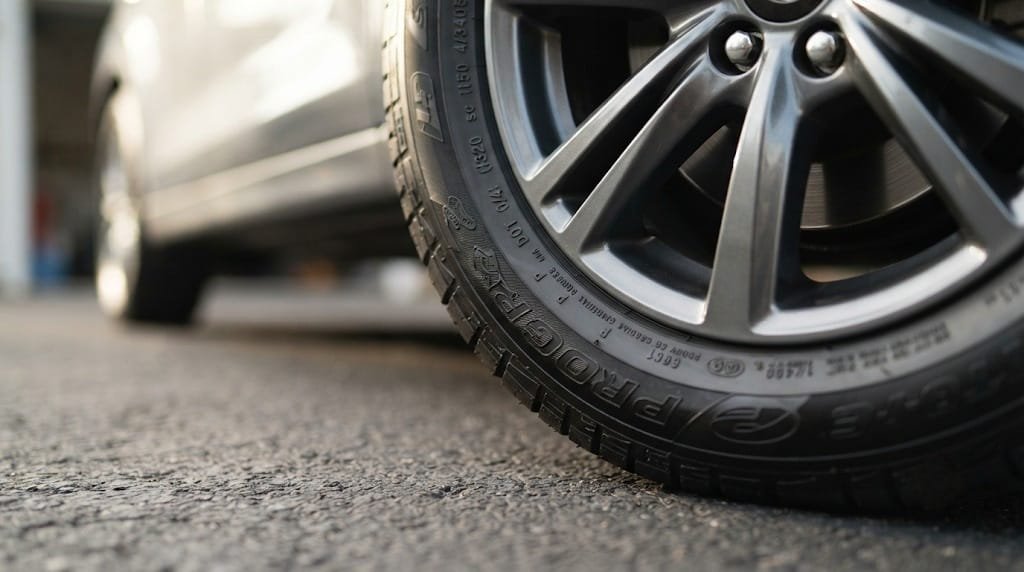
Have you ever wondered what the numbers and letters written on a tire’s sidewall mean? Each character provides you with details about the tire’s size, strength, and speed capability. Once you are clear about how to read the code, you can easily shop for replacement tires with confidence and avoid tires that will not fit in your vehicle.
In this article, I have explained the tire load index, size markings, speed ratings and UTQG tread using an example you can follow along with. It also includes a speed rating chart and a few quick checks you can do on the tires that you already own.
Quick Takeaways
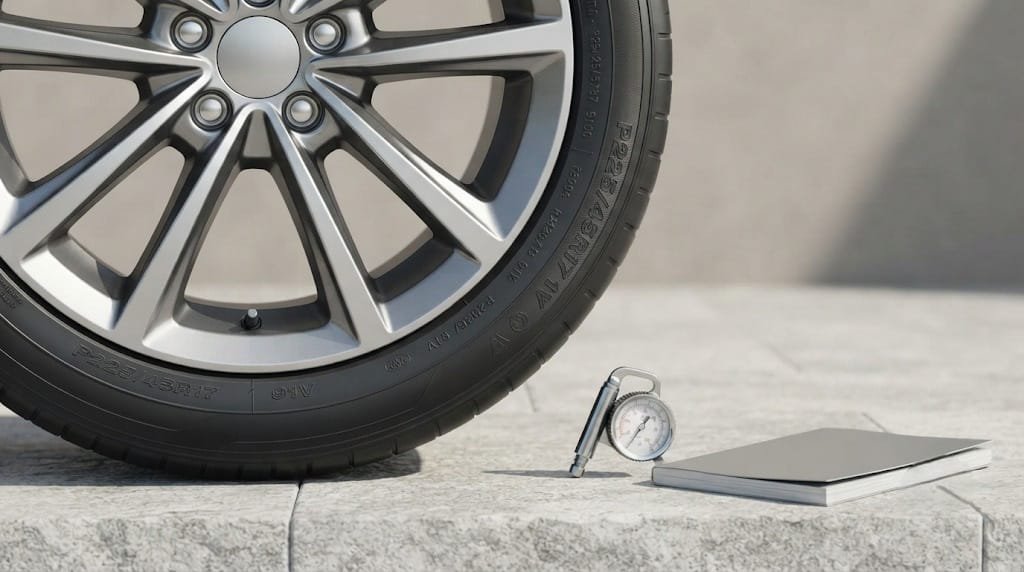
- A speed rating shows the top speed a tire was tested to sustain, not a speed you should drive at.
- A size such as P225/45R17 tells you the tire’s type, width, sidewall height ratio, construction, and wheel diameter.
- The load index and speed rating usually follow the size, as in “91V.”
- Treadwear grades under UTQG are assigned by manufacturers, so they compare best within a single brand.
- Always match the tire size, load index, and speed rating recommended by your vehicle manufacturer.
- The DOT code on the sidewall reveals when the tire was made.
How to Read a Tire Size
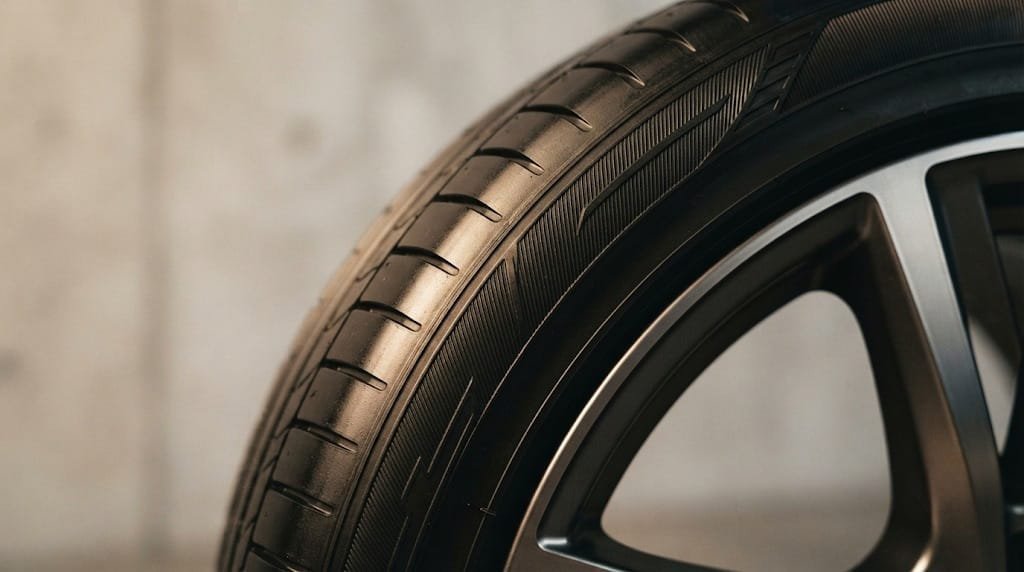
Take the example P225/45R17 91V, a typical marking on a passenger car tire. Each part of it has a specific meaning.
Reading the code from left to right tells you the tire’s type, its dimensions, and its capabilities.
Width, Aspect Ratio, and Rim Diameter
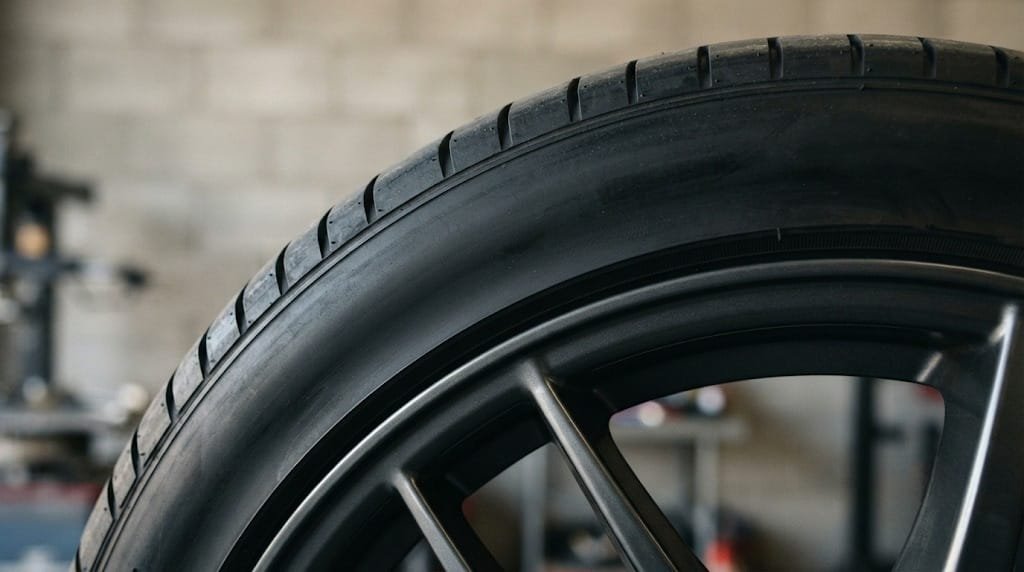
The “225” is the tire’s section width in millimetres, measured from sidewall to sidewall. The “45” is the aspect ratio, meaning the sidewall height equals 45% of the width, or roughly 101 mm in this case.
The “R” indicates radial construction, which is standard on modern passenger tires. The “17” is the wheel diameter in inches that the tire is built to fit.
The aspect ratio is a percentage of the tire’s width, not a height measured in millimetres. A lower number generally means a shorter sidewall.
Service Type Letters
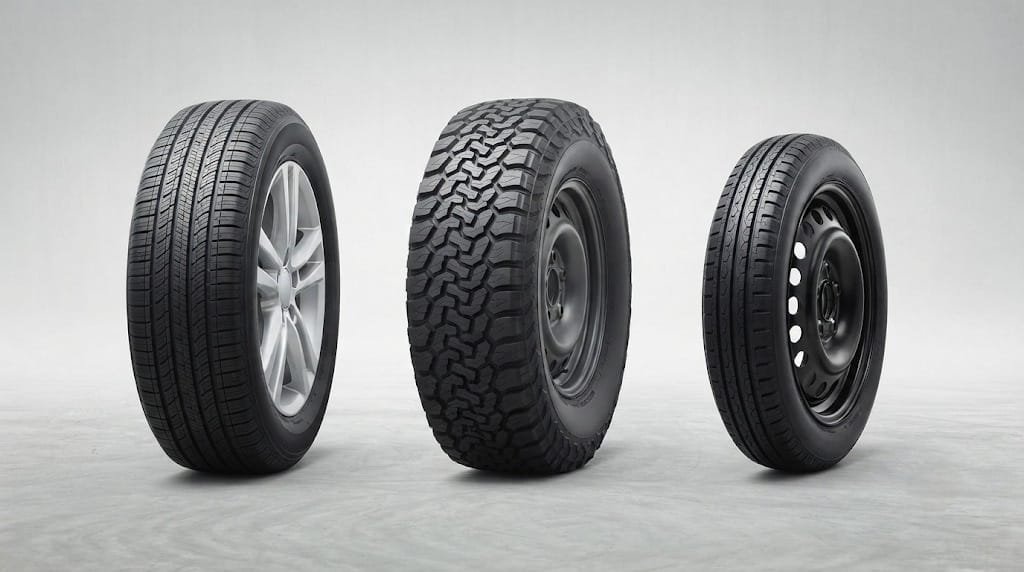
The letter at the start of the size describes the tire’s intended use. “P” means passenger, “LT” means light truck, “ST” means special trailer, and “T” means temporary spare.
Some sizes have no leading letter at all. A tire without a leading letter is generally a Euro-metric size, and its load capacity can differ from a P-metric tire with the same dimensions.
What the Load Index Means
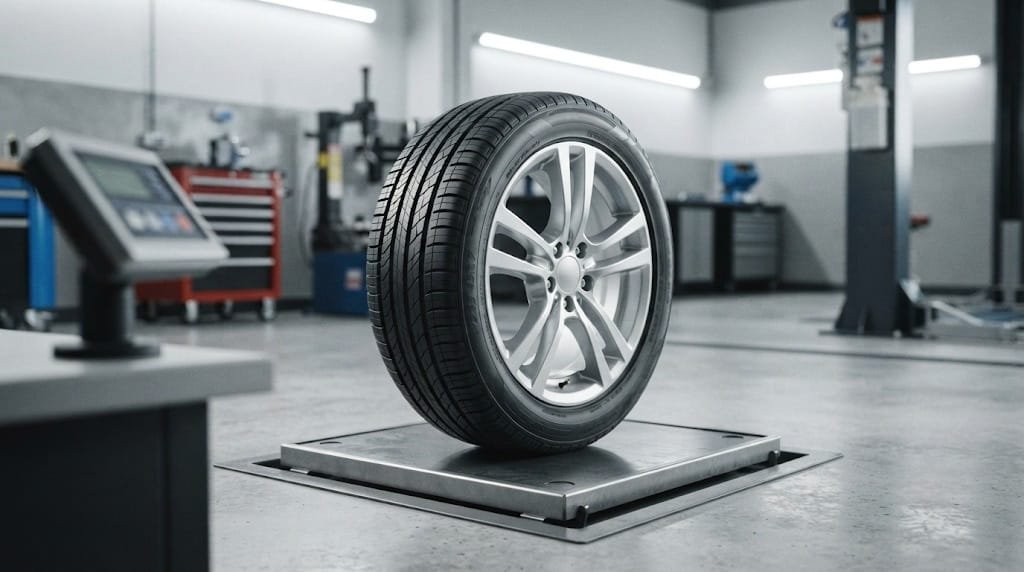
The number after the size, “91” in our example, is the load index. It corresponds to a standard chart value, and 91 equals 615 kg (1,356 lb) per tire at the tire’s maximum rated inflation pressure.
The load index shows the maximum weight a single tire can carry, and it is not a number you add up across the four tires. When replacing tires, choose an index equal to or higher than the one your vehicle manufacturer specifies.
Tire Speed Ratings Explained

The letter after the load index is the speed rating. It reflects the maximum speed the tire was tested to sustain under controlled laboratory conditions.
A speed rating is not a recommended driving speed, and it does not override posted speed limits or road conditions. The table below lists common ratings, with typical uses that vary by manufacturer and model.
| Speed Symbol | Max Speed (km/h) | Max Speed (mph, approx.) | Commonly Found On (typical, not guaranteed) |
| Q | 160 | 99 | Some winter tires and light truck tires |
| S | 180 | 112 | Many family sedans and minivans |
| T | 190 | 118 | Many sedans, minivans, and crossovers |
| H | 210 | 130 | Sport-oriented sedans and some coupes |
| V | 240 | 149 | Sport sedans and performance coupes |
| W | 270 | 168 | High-performance cars |
| Y | 300 | 186 | High-performance and exotic cars |
Older tires may carry a “ZR” marking, which historically indicated speeds above 240 km/h (149 mph). If you want to switch to a tire with a different speed rating, check your owner’s manual or ask a tire professional first, since handling and braking can be affected.
Understanding Tread Wear and UTQG Ratings
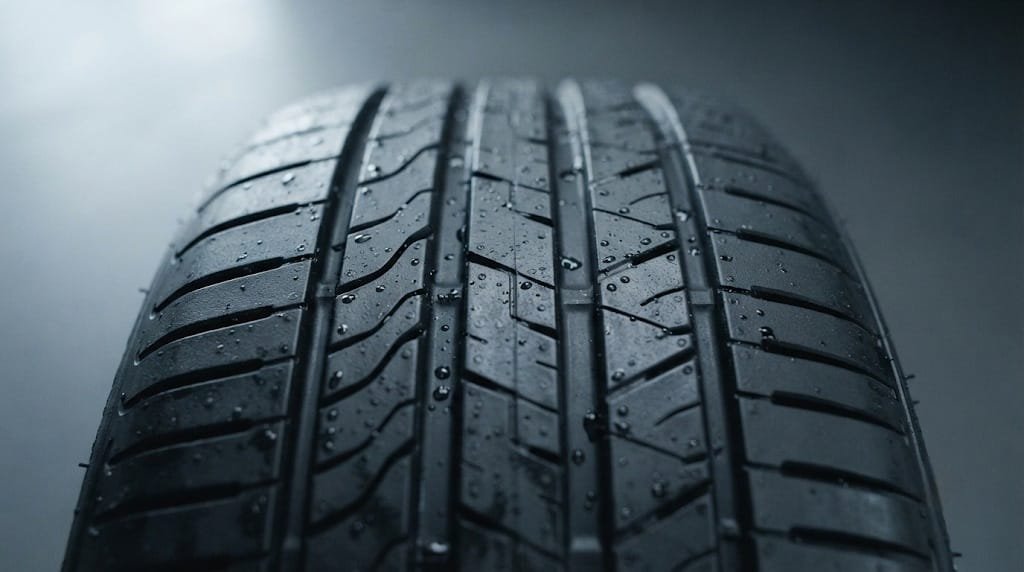
UTQG stands for Uniform Tire Quality Grading, a U.S. system that rates many passenger tires on treadwear, traction, and temperature. You will often see them printed together, such as “400 A A.”
UTQG grades give you a standardized way to compare certain performance traits, but they do not predict exactly how a tire will behave in your own driving. Some tires, such as winter tires, may be exempt from the system.
The Treadwear Number
The treadwear number compares a tire against a reference tire rated 100 in a specified test. A tire graded 400 is intended to last about four times as long as that reference under the test conditions.
Treadwear numbers are best compared within a single manufacturer’s lineup, because each company assigns its own grades. Actual mileage depends heavily on driving style, road surfaces, alignment, tire pressure, and rotation habits.
Traction and Temperature Grades
The traction grade runs from AA (highest) to A, B, and C. This grade measures straight-line braking on wet test surfaces only, so it says nothing about cornering grip or resistance to hydroplaning.
The temperature grade, rated A, B, or C, reflects how well a tire resists heat buildup and sheds heat in a lab test at speed. A is the best of the three.
Where to Find the Right Tire Size for Your Car
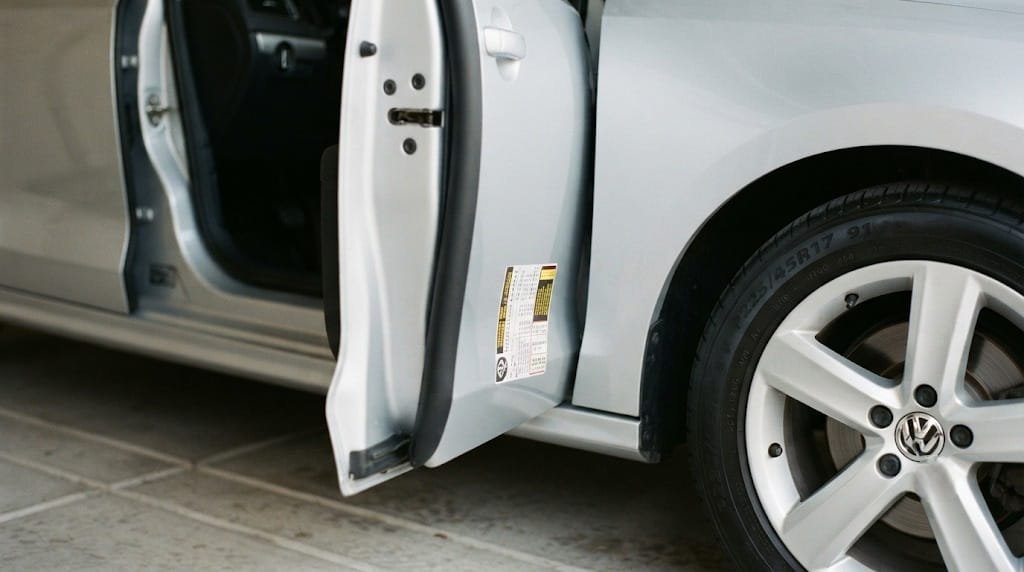
The easiest place to look is the tire placard, usually on the driver’s door jamb. Your owner’s manual lists the same information, along with recommended inflation pressures.
Your vehicle manufacturer’s recommended size, load index, and speed rating are the safest starting point for any replacement. If you are considering a different size, a qualified tire professional can help you check whether it suits your vehicle.
Other Sidewall Markings Worth Checking
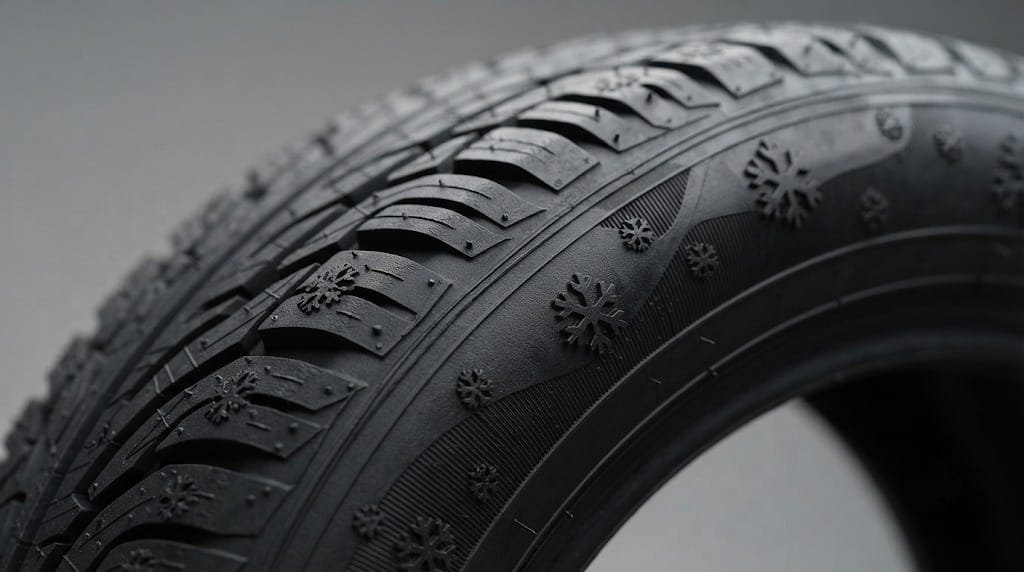
Look for the letters “DOT” followed by a string of characters. The last four digits of the DOT code show the week and year the tire was made, so “2423” means the 24th week of 2023.
Tire age matters because rubber changes over time, even with little use. Replacement guidance on age varies by tire and vehicle manufacturers, so check your owner’s manual for specifics.
You may also see “M+S” or a three-peak mountain snowflake symbol. These indicate certain mud, snow, or severe-snow capabilities, and the exact requirements depend on the standards in your region.
How to Check Your Tread Depth
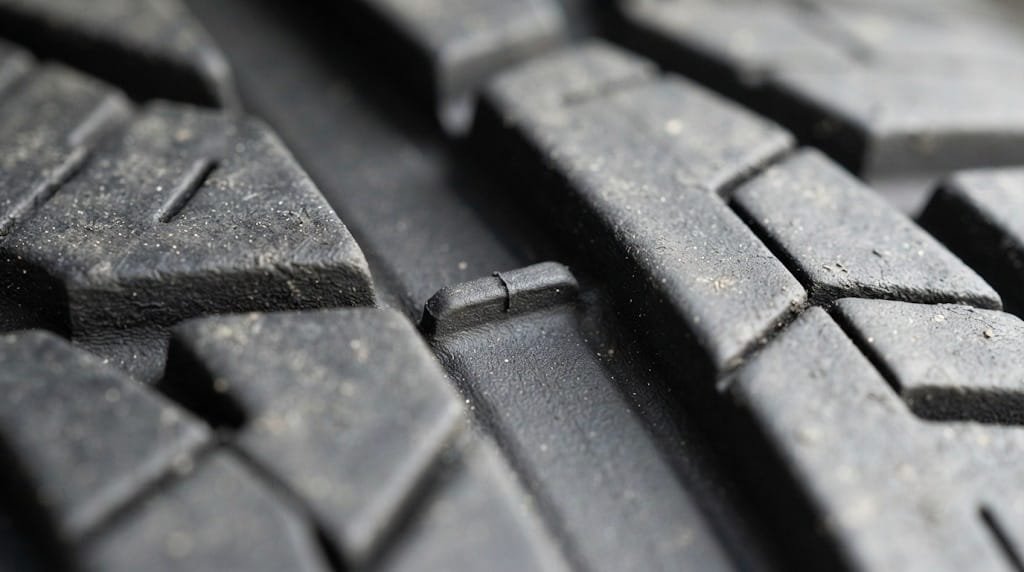
Most tires have small raised wear indicator bars in the grooves. When the tread is level with those bars, the tire has reached the end of its legal service life in many regions.
A common legal minimum is 1.6 mm (2/32 inch), although rules vary by country and state. Tire retailers often suggest replacing tires earlier, since wet-weather grip tends to decline as tread wears down.
Putting It All Together
Reading a tire sidewall comes down to a few steps: find the size, check the load index and speed rating, then look at UTQG grades if they are present. Once you know what each part means, comparing tires becomes a straightforward matching exercise rather than guesswork.
Before you buy, compare the numbers on your current tires with your vehicle placard. If anything doesn’t line up or you are unsure, a tire professional can confirm what fits your vehicle.
Also check: Know the Signs: When to Replace Your Brake Pads